
The Rise of Lifelong Learning: Education Beyond the Classroom
For much of modern history, education followed a predictable path: you went to school, earned a degree, and then entered the workforce, where learning was largely replaced by doing. But in the 21st century, that model is rapidly becoming obsolete. The pace of technological change, the evolution of industries, and the shifting demands of global economies have made lifelong learning—not just formal education—the key to personal and professional growth.
Lifelong learning is no longer a luxury or a hobby. It’s a necessity. It’s what allows people to adapt, stay relevant, and continue to thrive in a world that refuses to stand still. Whether it’s through online courses, professional development programs, podcasts, or hands-on experience, the concept of education has expanded far beyond the classroom walls.
Defining Lifelong Learning
Lifelong learning refers to the ongoing, self-motivated pursuit of knowledge for personal or professional reasons. It’s the idea that education doesn’t end with graduation—it’s a continuous process that evolves with each stage of life.
Unlike traditional schooling, lifelong learning isn’t confined by age, setting, or subject. It can take many forms:
- An employee taking an online certification course to advance their career.
- A retiree learning photography to explore creativity.
- A parent joining a financial literacy workshop to better manage family finances.
- A young professional listening to educational podcasts or attending workshops to develop leadership skills.
The common thread is curiosity and growth. Lifelong learners recognize that the world is constantly changing, and the ability to adapt is one of the most valuable skills anyone can possess.
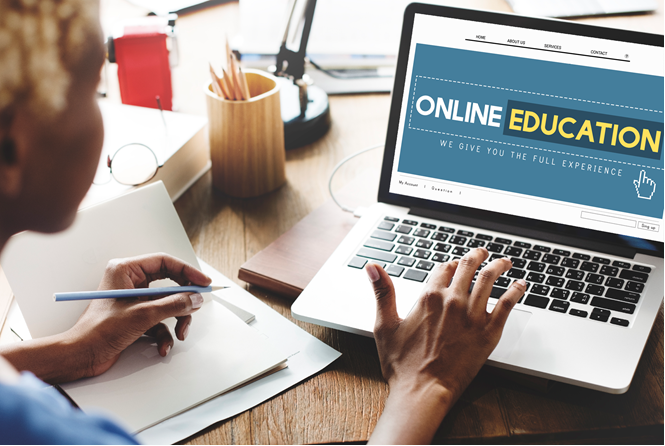
Image source: Dreamstime.com
Why Lifelong Learning Matters More Than Ever
Several factors have fueled the rise of lifelong learning, transforming it from a niche pursuit into a global movement.
- Technological Advancements
Technology has revolutionized how we learn. Online platforms such as Coursera, Udemy, LinkedIn Learning, and Khan Academy make education accessible to anyone with an internet connection. Virtual classrooms, webinars, and even AI-powered tutors allow learners to study anytime, anywhere, and at their own pace.
This accessibility breaks down traditional barriers to education. No longer is learning limited to those who can afford tuition or attend prestigious institutions. Today, knowledge is democratized—available at the click of a button.
- Rapidly Changing Job Markets
The nature of work is evolving faster than ever. Automation, artificial intelligence, and global digitization are transforming industries and creating entirely new ones. Jobs that were once considered secure are being redefined or replaced, while new opportunities emerge in areas like renewable energy, cybersecurity, and data analytics.
This shift means that a degree earned decades ago may no longer be sufficient to stay competitive. Professionals must continuously update their skills to meet the changing demands of their fields. Companies, too, are recognizing this and increasingly value employees who show a commitment to learning and adaptability.
- The Pursuit of Personal Fulfillment
Beyond professional reasons, lifelong learning enriches personal growth. Many people pursue new knowledge not just for career advancement, but to improve their quality of life, build confidence, and explore passions. Whether it’s learning a new language, mastering a musical instrument, or studying philosophy, lifelong learning fosters curiosity and creativity.
Psychologists have also found that continued learning keeps the brain sharp and promotes emotional well-being. It provides a sense of purpose and achievement, particularly later in life when individuals seek new ways to stay engaged and connected.
From Formal Education to Continuous Learning
Traditional education systems were designed for a different era—one in which information changed slowly, and career paths were stable. Students absorbed knowledge from teachers, applied it in their professions, and rarely looked back. Today, that linear path no longer fits.
Lifelong learning shifts the focus from qualification to transformation. Instead of seeing education as a phase of life, it becomes a mindset. Learning is not about earning a credential—it’s about staying curious, adaptable, and open-minded.
Forward-thinking universities and organizations are adapting by offering flexible learning options, such as micro-credentials, online degrees, and modular courses. These allow learners to upskill without having to commit to full-time study, blending the best of academic rigor with real-world applicability.
The Role of Employers in Lifelong Learning
Employers are increasingly recognizing that investing in employee development pays long-term dividends. In a competitive market, companies that support lifelong learning attract more motivated, capable, and loyal employees.
Many organizations now offer in-house training programs, tuition reimbursement, and access to online learning platforms. Some have even built “learning cultures” where continuous education is part of the workplace identity.
Google, for instance, encourages employees to spend time on personal projects and exploration—an approach that often leads to innovation. Other companies partner with universities or online platforms to provide customized courses in leadership, data analysis, or project management.
This symbiotic relationship between employers and lifelong learners creates a cycle of growth: employees gain new skills, companies stay competitive, and innovation flourishes.
The Role of Technology in Fueling the Movement
The rise of lifelong learning wouldn’t be possible without technology. Digital platforms have transformed how people access information, collaborate, and apply knowledge.
E-learning systems make it possible to earn degrees remotely, while short-form educational content (like YouTube tutorials or micro-lessons) caters to fast, on-demand learning. Podcasts, audiobooks, and social media communities have also turned downtime—like commutes or workouts—into learning opportunities.
Artificial intelligence is adding another layer of personalization. AI-driven tools can recommend courses based on interests, track progress, and even simulate interactive learning environments. Virtual reality is allowing learners to experience training scenarios—such as medical procedures or engineering simulations—in immersive ways that once seemed like science fiction.
Stock photos of people studying on laptops, attending virtual conferences, or collaborating online capture just one aspect of this phenomenon. The deeper story lies in the empowerment technology brings—giving people control over their own education.
Overcoming Barriers to Lifelong Learning
Despite its benefits, not everyone has equal access to lifelong learning opportunities. The digital divide, financial constraints, and lack of time can all pose challenges.
Addressing these barriers requires a multifaceted approach:
- Accessibility: Expanding broadband access and providing affordable devices ensure that everyone can participate in online learning.
- Affordability: Offering low-cost or free courses makes education more inclusive. Many online platforms already provide scholarships or open-access materials to support learners from all backgrounds.
- Flexibility: Recognizing that adults have jobs, families, and responsibilities, educational programs must accommodate different schedules. Self-paced and asynchronous courses are essential for working learners.
- Awareness: Many people don’t realize how accessible learning has become. Promoting awareness of available resources can encourage more individuals to take advantage of them.
The Psychological and Social Benefits
Lifelong learning doesn’t just enhance professional and intellectual growth—it enriches emotional and social well-being.
For older adults, learning new skills has been linked to improved cognitive health and reduced risk of dementia. For young adults, it builds resilience and confidence in navigating uncertain times. Across all age groups, learning fosters connection—bringing together communities of people who share interests, goals, and passions.
Whether it’s through in-person workshops, online forums, or community centers, lifelong learning fosters a sense of belonging and mutual growth. It reminds us that education is not a competition, but a shared human experience.
A Cultural Shift Toward Continuous Education
The rise of lifelong learning represents a cultural transformation. Society is beginning to value curiosity as much as credentials and to see learning as a lifelong habit rather than a phase.
Governments, employers, and educators are collaborating to promote continuous learning through initiatives like digital literacy programs, workforce reskilling projects, and public libraries that offer free classes and technology access.
This collective effort signals a broader recognition that education is the foundation of progress—not just economic, but social and personal as well.
The Future of Learning
Looking ahead, lifelong learning will continue to evolve in ways we’re only beginning to imagine. As artificial intelligence, automation, and globalization reshape the job landscape, adaptability will be the most important skill of all.
Education will likely become more modular, personalized, and experiential. People will build customized learning journeys that combine formal degrees, online certifications, and informal experiences. The boundary between “student” and “professional” will blur, replaced by a continuous cycle of learning, applying, and relearning.
The rise of lifelong learning marks a return to something deeply human—the innate desire to grow, explore, and understand the world. It redefines success not as reaching a finish line, but as the ongoing pursuit of knowledge.
The classroom, once the center of education, is now just one piece of a much larger landscape. Learning happens everywhere—in the workplace, at home, online, and within our communities. As long as curiosity exists, education will never truly end.
The future belongs to those who keep learning—not because they have to, but because they want to. And in that pursuit, the world becomes not just smarter, but more connected, creative, and alive.
